
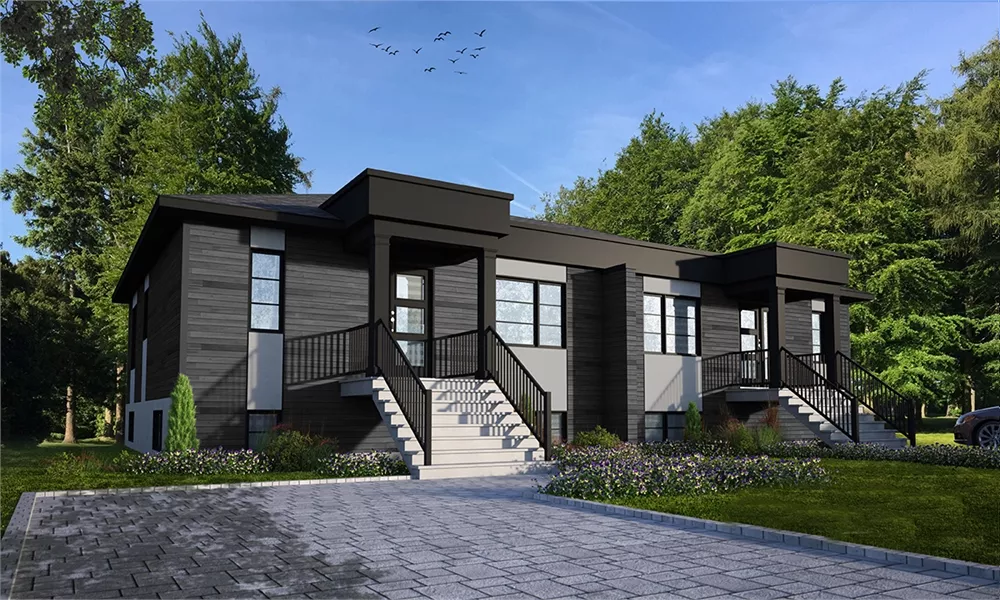
Modern homebuilding continues to evolve as buyers look for properties that combine attractive design, practical layouts, energy efficiency, and convenient move-in options. Among the available choices, spec homes have become an important part of the residential real estate market. These homes are built by developers or builders based on their understanding of market demand rather than a design created for a specific buyer.
For homebuilders, spec homes offer an opportunity to develop properties that appeal to a broad group of potential customers. For buyers, they provide a chance to purchase a newly constructed house without managing every stage of the building process. Understanding how spec homes work can help both sides make informed decisions about design, construction, financing, and sales.
What Are Spec Homes?
Spec homes, short for speculative homes, are residential properties built before a specific buyer commits to purchasing them. The builder selects the location, floor plan, materials, finishes, and features based on research and experience. Once the home is completed or sufficiently advanced, it is marketed to potential buyers.
This approach differs from custom homebuilding, where a homeowner generally works with an architect or builder to create a property tailored to personal preferences. In a spec project, the builder makes most decisions with the wider market in mind.
Spec homes may be constructed in new residential developments, established neighborhoods, or individual lots where new construction is suitable. Some are designed for buyers who want a practical starter home, while others target families looking for additional space or customers seeking premium finishes.
The central idea is to build a home that meets likely buyer demand while managing construction costs and project timelines.
Planning and Designing a Spec Home
Successful spec homebuilding begins long before construction starts. Builders need to understand the local property market, identify potential customers, and determine which features are likely to make a home competitive.
Location is one of the most important considerations. Buyers may evaluate access to schools, employment centers, shopping, transportation, parks, and other amenities. Even an attractive house can struggle to sell if its location does not match the needs of its intended audience.
Builders should also examine comparable properties, local sales activity, asking prices, and competing new developments. This information can help determine the appropriate size, design, and finish level for the project.
The floor plan should balance functionality with broad appeal. Open living areas, practical storage, comfortable bedrooms, useful kitchens, and well-planned bathrooms can support everyday living without adding unnecessary complexity. Design decisions should reflect the target market rather than personal preferences alone.
The Importance of Construction Quality
A visually appealing property must also be well built. Buyers expect new homes to provide reliable systems, durable materials, and construction that meets applicable building codes.
Builders should work with qualified professionals, establish clear specifications, and inspect important stages of construction. Foundation work, framing, roofing, plumbing, electrical installations, insulation, and finishing all require appropriate oversight.
Quality control can help identify problems before they become expensive repairs. It also supports customer confidence and protects the builder’s reputation.
Material selection should consider durability, appearance, maintenance, and cost. The least expensive option may not provide the best long-term value if it requires frequent replacement. Similarly, expensive upgrades should be chosen carefully because not every premium feature produces a corresponding increase in resale value.
Financing and Budget Management
Because spec homes are built without a committed buyer, builders take on financial risk before receiving sale proceeds. Project budgets should account for land acquisition, permits, design fees, labor, materials, utilities, insurance, financing costs, marketing, and selling expenses.
A contingency allowance can help cover unexpected costs, including material price changes or construction delays. Builders should also estimate holding costs for the period during which the completed property remains unsold.
Financing options vary according to the lender, project, builder’s experience, and local market. Builders researching spec home construction can explore how speculative building differs from other residential development approaches and what planning considerations may be relevant.
Financial projections should use realistic sale prices and timelines. Assuming the property will sell immediately at the highest possible price can make a project appear more profitable than it really is.
Modern Features That Appeal to Buyers
Today’s buyers often look for homes that make daily life easier and more comfortable. Functional kitchens, flexible rooms, adequate storage, natural light, and efficient layouts can improve a property’s appeal.
Energy efficiency is another important consideration. Depending on the climate and market, suitable insulation, efficient windows, modern heating and cooling systems, and energy-saving lighting may help reduce utility consumption and improve comfort.
Technology can also influence buyer preferences. Preplanned wiring, reliable internet connectivity, smart thermostats, and practical security features may be attractive when they suit the intended customer.
However, builders should avoid adding features simply because they are fashionable. Each upgrade should support the target market, fit the budget, and contribute to the home’s overall value.
Marketing and Selling Spec Homes
Marketing should begin with a clear understanding of the buyer. A home designed for first-time purchasers may need messaging about convenience, functional space, and predictable maintenance. A larger family property may be better presented through its bedroom layout, storage, outdoor areas, and proximity to local amenities.
Professional photographs, accurate floor plans, property descriptions, and well-organized viewing arrangements can help potential buyers evaluate the home. Marketing materials should clearly describe included features and any optional upgrades.
Builders should also be prepared to answer questions about warranties, construction specifications, utilities, property boundaries, and expected completion dates. Transparent communication can reduce uncertainty and support a smoother sales process.
Conclusion
Spec homes offer a practical approach to modern homebuilding by allowing builders to create properties based on anticipated market demand. Their success depends on careful location selection, functional design, construction quality, realistic financial planning, and effective marketing.
For buyers, a spec home can provide the convenience of a newly built property without the demands of overseeing a custom project. For builders, it can create opportunities to develop repeatable projects and serve different customer groups. By balancing market research with disciplined project management, builders can create homes that are attractive, functional, and financially sustainable. Resources from builderfinance.com can also help builders explore the financial and planning considerations associated with speculative residential development.






Leave a Reply