
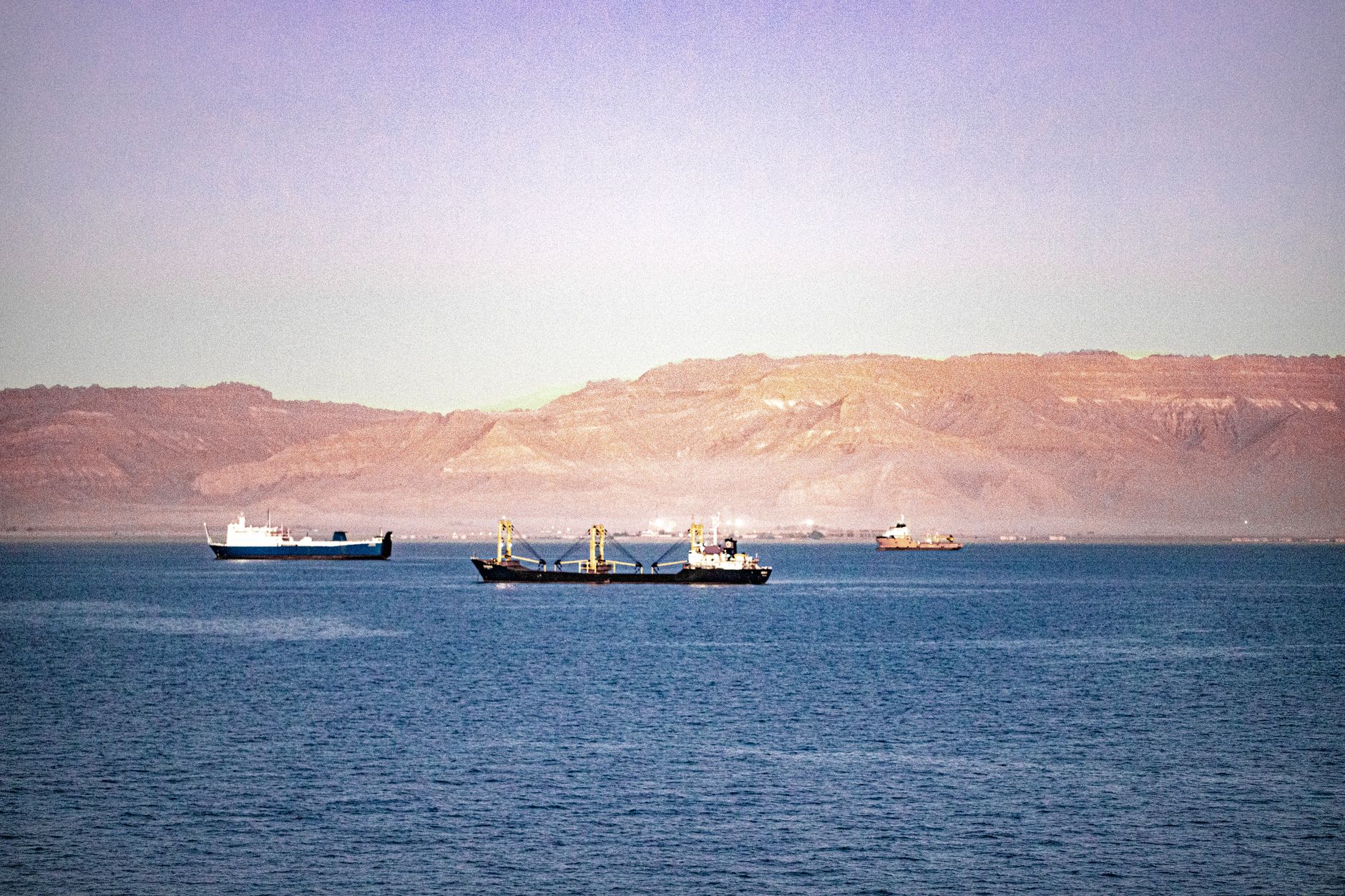
Syria alternative to Strait of Hormuz has emerged as a significant topic in the context of current geopolitical tensions. Trump recently praised this shift, highlighting its potential.
Syria Alternative to Strait of Hormuz Explained
The ongoing geopolitical tensions in the Middle East have prompted various nations to explore alternative routes for oil transportation. Among these options, Syria is positioning itself as a viable alternative to the Strait of Hormuz. This strategic move has garnered attention, particularly from global leaders like former President Trump, who praised Syria’s initiative.
Historically, the Strait of Hormuz has been a critical chokepoint for oil shipments, with a significant percentage of the world’s oil passing through this narrow corridor. However, increased tensions in the region, especially involving Iran, have raised concerns about the security and reliability of this route.
In light of these challenges, Syria aims to capitalize on its geographical advantages and infrastructure capabilities. Key points regarding Syria’s potential as an alternative include:
- Geographical Location: Syria’s proximity to key markets in Europe and Asia enhances its appeal.
- Infrastructure Development: Investments in pipelines and logistics facilities are underway.
- Political Stability: Efforts to stabilize the region could attract foreign investments.
As the situation evolves, Syria’s role could reshape energy dynamics in the region.
The Impact of Syria Alternative to Strait of Hormuz
The recent developments in Syria as an alternative to the Strait of Hormuz have garnered significant attention, particularly in the context of ongoing tensions in the region. The strategic positioning of Syria offers a potential pathway for oil and gas exports that could alleviate reliance on the Strait of Hormuz, a route frequently threatened by geopolitical instability.
Experts suggest that utilizing Syria could lead to a more stable energy supply chain, impacting global markets. The implications of this shift are profound:
- Reduced Reliance: Countries dependent on oil from the Gulf may find new routes that bypass traditional choke points.
- Enhanced Stability: A diversified energy route could mitigate risks associated with disruptions in the Strait of Hormuz.
- Economic Opportunities: Increased investment in Syrian infrastructure could stimulate local economies and create jobs.
As discussions continue, the idea of Syria as an alternative to the Strait of Hormuz presents a strategic opportunity that could reshape energy dynamics in the region and beyond.
Why Syria is a Viable Alternative to Strait of Hormuz
The ongoing geopolitical tensions in the Middle East have led to a renewed focus on potential alternatives to the Strait of Hormuz. Syria’s strategic location offers a viable option for diversifying trade routes and reducing dependency on this critical waterway.
Key reasons why Syria is being considered as a feasible alternative include:
- Geographical Advantage: Situated at the crossroads of Europe, Asia, and Africa, Syria provides access to multiple trade routes.
- Infrastructure Development: Ongoing investments in Syrian ports and railways aim to enhance connectivity and efficiency, making trade more accessible.
- Political Support: With shifting alliances, Syria is positioning itself as a strategic partner for various nations looking to bypass Iranian influence in the region.
- Economic Opportunities: Emphasizing its potential, Syria invites foreign investments that could rejuvenate its economy while serving global trade needs.
As discussions around the Syria alternative to Strait of Hormuz gain momentum, it is evident that this nation is keen to capitalize on its unique position in the geopolitical landscape.
Experts Weigh in on Syria Alternative to Strait of Hormuz
Experts are increasingly recognizing the potential of Syria as a viable alternative to the Strait of Hormuz for oil and gas transport. This shift is particularly timely, given the ongoing tensions in the region that have historically affected shipping routes.
According to geopolitical analysts, the strategic positioning of Syria offers several advantages that could ease reliance on the Strait of Hormuz. Key points raised by experts include:
- Geographical Advantage: Syria’s proximity to major markets in Europe and Asia allows for more direct shipping routes.
- Infrastructure Development: Investment in port facilities along Syria’s coast could significantly enhance its capacity for handling increased traffic.
- Diversification of Energy Supply: Utilizing Syria as an alternative can help mitigate risks associated with Iranian influence in the Strait of Hormuz.
As former President Trump noted, the idea of Syria “pitching itself” as an alternative indicates a strategic shift that could reshape energy dynamics in the region. Experts believe that with the right support and investment, Syria’s role could expand significantly, providing a critical alternative to the Strait of Hormuz.
Future of Trade Routes: Syria Alternative to Strait of Hormuz
The future of trade routes is undergoing a significant transformation, with the Syria alternative to Strait of Hormuz gaining increasing attention from global traders and economists. As geopolitical tensions in the region fluctuate, the need for reliable and secure transit paths has never been more crucial.
Several factors contribute to Syria’s emerging status as a viable alternative:
- Geographical Advantage: Syria’s location offers a strategic point for accessing Mediterranean waterways, which can facilitate trade between Europe, Asia, and beyond.
- Infrastructure Development: Ongoing investments in Syrian ports and road networks are enhancing its capacity to handle increased commercial traffic.
- Political Stabilization: Efforts to stabilize the region may encourage international partnerships and investment, further solidifying its role in global trade.
As international stakeholders assess the viability of the Syria alternative to Strait of Hormuz, it is essential to monitor developments closely. The potential shift in trade dynamics could reshape economic interactions and influence market trends worldwide.
Trump’s Vision for Syria Alternative to Strait of Hormuz
In a recent statement, former President Donald Trump praised the potential of Syria as a strategic alternative to the Strait of Hormuz. He emphasized that this shift could reshape global trade dynamics and enhance regional stability. Trump’s vision highlights the growing importance of diversifying trade routes, particularly in light of ongoing tensions in the Middle East.
According to Trump, the development of Syria as a trade hub could lead to significant economic benefits for the region. He stated, “Syria is pitching itself as a viable alternative to the Strait of Hormuz, and that’s GREAT for trade!” This assertion signals a shift in how nations view Syria’s role in global commerce.
Experts agree that leveraging Syria’s geographical advantages could streamline supply chains and reduce dependency on traditional routes, especially those vulnerable to geopolitical conflicts. The potential for increased trade through Syria reflects a broader strategy aimed at enhancing security and ensuring the uninterrupted flow of goods.
The implications of this vision extend beyond economics, fostering a new era of diplomatic relations in the region.
The Syria alternative to Strait of Hormuz presents a strategic opportunity for diversifying energy routes in the region. By exploring this Syria alternative to Strait of Hormuz, countries can enhance their energy security and reduce reliance on traditional shipping lanes.
Photo by Eric Seddon on Pexels




Leave a Reply