
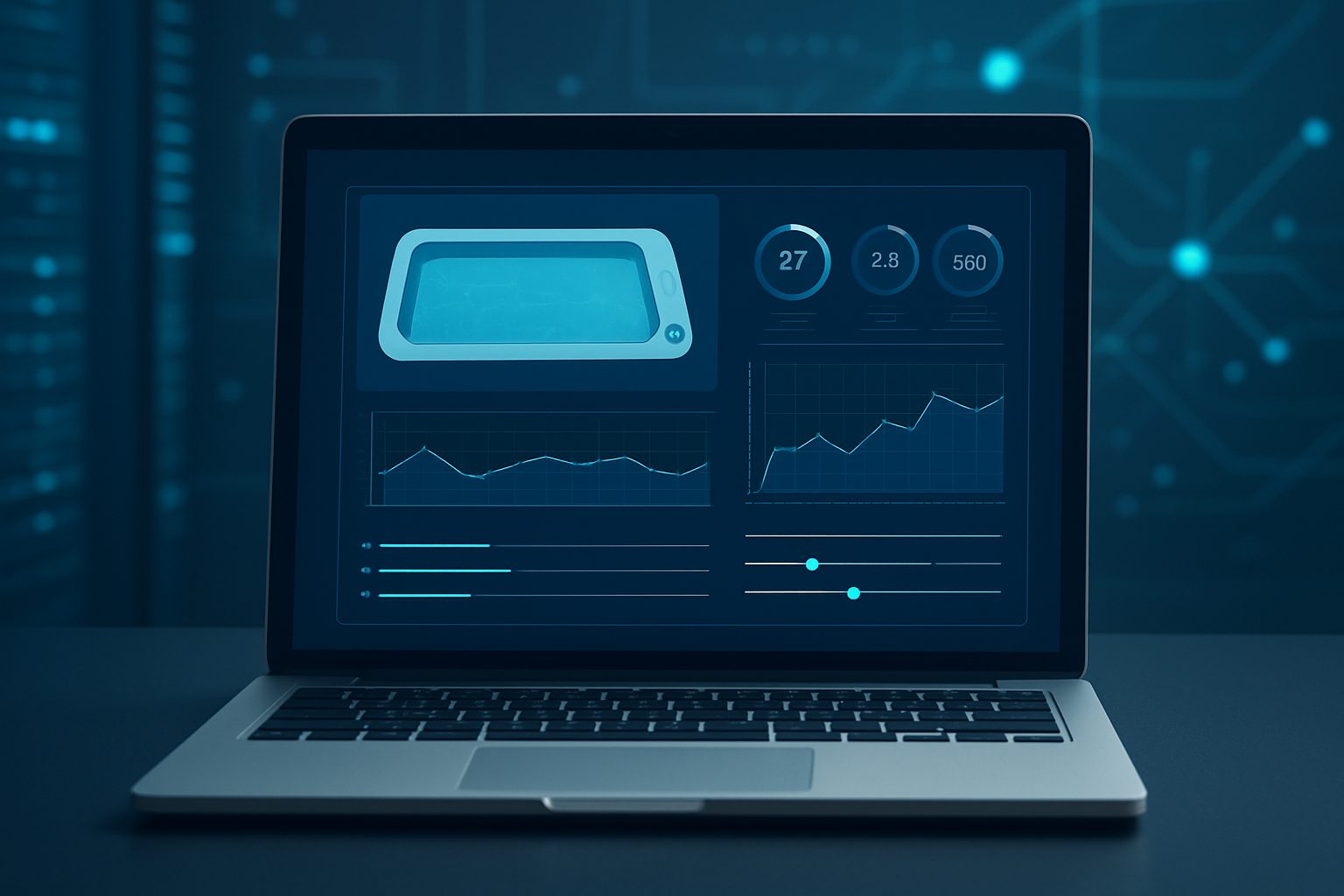
What Pool Automation Should Actually Make Easier
Automation needs a daily reason
Pool automation sounds attractive, but it should begin with ordinary behaviour. If a homeowner wants easier temperature control, lighting scenes, pump schedules, cover use, or salt-system management, automation has a clear purpose. If it only adds a screen to check, it may not improve the backyard at all.
On its options and water-features page, Jameson Pool & Spa lists automation alongside heaters, cartridge filters, lighting, salt chlorination, robotic cleaners, pumps, automatic covers, liners, and safety covers. That grouping is useful because automation works best when it connects real equipment decisions.
Controls should reduce small chores
A good automation plan can make short tasks easier: turning on lights before guests arrive, warming the pool before use, managing water features, or running equipment on a schedule. The benefit is not just convenience. It can also make owners more consistent because the pool is easier to manage.
The wrong plan does the opposite. Too many modes, unclear labels, unreliable connections, or controls that only one person understands can make the system feel fragile. Automation should make the pool less dependent on memory.
Service access still matters
The service support for pool equipment handles troubleshooting, repairs, equipment installs, and maintenance. That kind of service context matters when automation is tied to heaters, pumps, filters, covers, or lighting, because a problem may sit in the connection between components rather than in one device.
Homeowners should ask how the system will be labelled, where manuals will be kept, how schedules can be changed, and what happens if Wi-Fi or a control panel fails. Simple fallback steps are part of a good automation design.
Automation should also be judged by how it behaves when something is not perfect. Homeowners need to know which alerts matter, what can be adjusted from a phone, and which conditions still require a service visit. A system that hides every detail can leave people guessing when water quality, heat, or circulation changes.
The best automation conversation happens before the pad is full of equipment. Controls, pumps, heaters, lighting, covers, and salt systems all communicate differently. Planning the control strategy early gives the installer room to build a system that feels coherent instead of a collection of separate upgrades.
The best automation feels quiet
The goal is not to make the backyard feel like a control room. The goal is to make lighting, water movement, heat, filtration, and cover use more predictable. When automation has a job and the equipment pad is planned around it, it fades into the background.
That is usually the mark of a good pool technology choice: fewer repeated chores, clearer operation, and a pool that is ready when the household actually wants to use it.








Leave a Reply